
· 6 min read
Lip Blush Healing and Aftercare: Day-by-Day Guide
By Anahit Poghosyan, Certified Lash & Brow Artist · 13+ years of experience
A day-by-day lip blush healing guide: swelling, peeling, the ghost stage, and aftercare that protects your color, from a Montebello PMU artist.
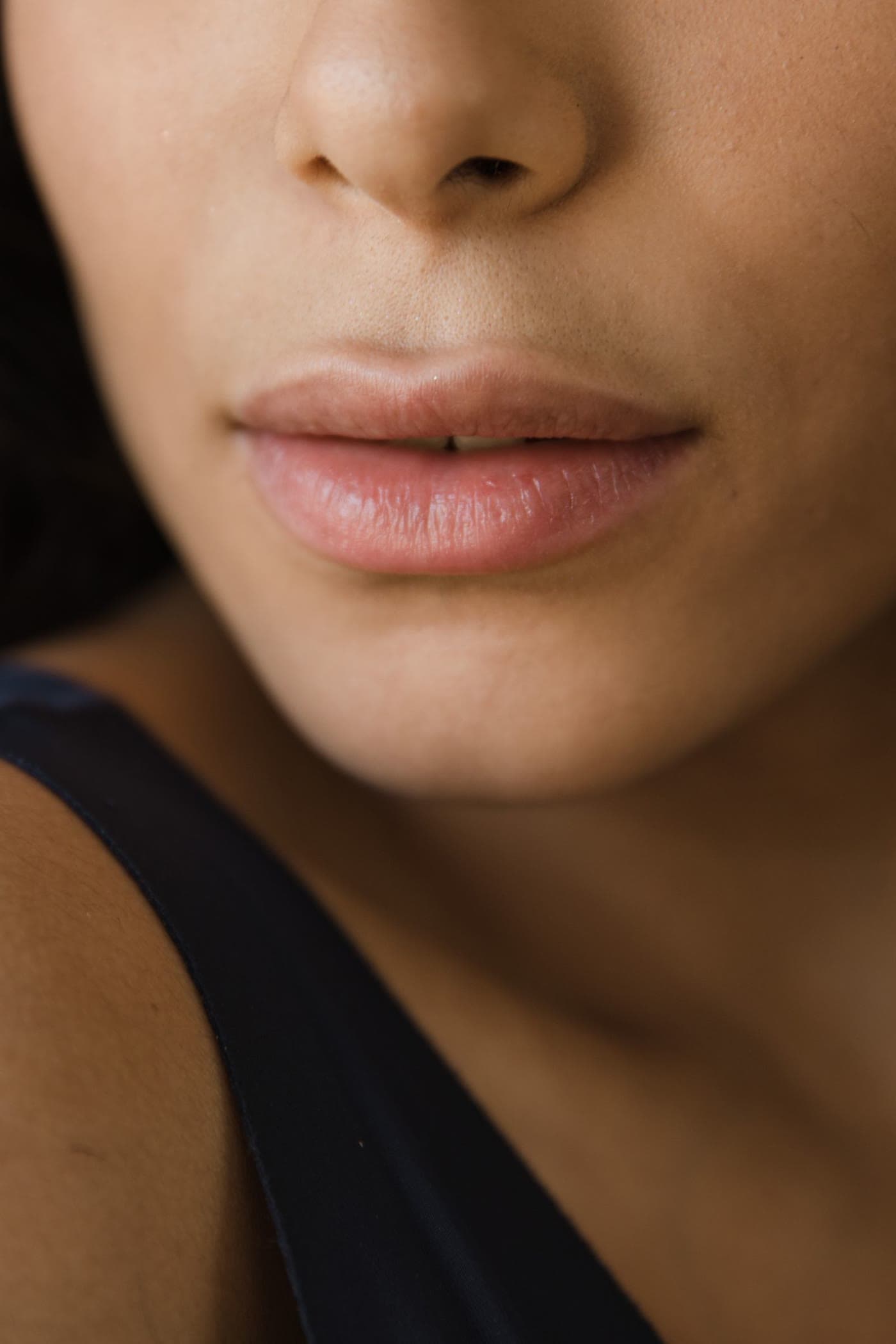
Lip blush heals on the surface in about 5–7 days and reveals its true color in roughly four weeks. Expect bold, vivid lips for the first two days, light peeling around days three to five, then a faded "ghost stage" before the soft, natural tint blooms back. Healed color settles noticeably lighter than what you see on day one.
Key takeaways
- Surface healing takes about 5–7 days; the true, settled color appears around week four.
- Day-one color always looks too bright — healed lip blush is significantly softer and more natural.
- Keep lips constantly moisturized with the provided balm; dry, cracked healing costs pigment.
- No spicy or acidic food, hot drinks, or kissing while the surface heals; drink through a straw the first days.
- Never pick peeling skin — let it shed on its own, or you'll pull color out unevenly.
- Results last one to two years; a follow-up at 6–8 weeks perfects the color.
What happens right after a lip blush appointment?
Your lips will look like you're wearing a bold lipstick — more saturated and more defined than the final result, often with mild swelling that makes them feel fuller. Both effects are temporary. Swelling typically settles within a day or two; the intense color begins softening as soon as healing starts. Lips may feel tender, tight, or chapped-like for the first days, similar to mild sunburn. This intensity on day one is by design: lip blush pigment is placed knowing that healed skin will veil and soften it substantially, so artists calibrate the applied color to heal into your target shade, not to match it in the treatment chair. Judge nothing before week four.
The day-by-day lip blush healing timeline
| Days | What's happening | What you'll see and feel |
|---|---|---|
| 1–2 | Skin begins healing; swelling peaks and recedes | Vivid, bold color; tenderness; possible slight swelling |
| 3–5 | Surface peels lightly | Flaking like chapped lips; color appears to shed with it |
| 5–7 | Peeling completes | Lips look pale, almost as if the color vanished — the ghost stage |
| 8–21 | New skin matures | Color gradually re-emerges, soft and even |
| 21–30 | Pigment stabilizes | True healed shade visible: a natural, your-lips-but-better tint |
The ghost stage catches everyone off guard the first time: after peeling, the fresh skin over the pigment mutes it dramatically. The color is still there — it resurfaces as the new skin matures over the following two weeks.
What are the aftercare rules for healing lips?
Lips are a high-motion, high-contact area, which makes their aftercare more active than brow aftercare. Keep them moisturized at all times with the aftercare balm you're given — a healing lip should never feel tight and dry, because cracking costs pigment. Eat carefully for the first several days: nothing spicy, salty, or acidic (citrus, tomato, vinegar), nothing hot-temperature, and use a straw for drinks early on. Pat lips clean after eating rather than wiping. No kissing, no rubbing, and no picking at the peel — every flake pulled early takes color with it and risks an uneven heal. Skip lipstick and lip products (other than the balm) until the surface fully heals, avoid pools, saunas, and heavy sweat during the first week, and keep direct sun off your lips — then make SPF lip balm a permanent habit once healed, because sun is what fades lip pigment fastest long-term.
Why does healed lip blush look so much lighter than day one?
Two layers of biology sit between applied pigment and final color. First, the bold day-one appearance includes surface-level pigment that sheds naturally with the peel — it was never going to stay. Second, the pigment that remains sits under newly regenerated skin, which softens how it reads, the same mechanism behind the powder-brow ghost phase in our powder brows healing timeline. The healed result is the entire point of lip blush: a soft wash of color that evens out lip tone, defines the border, and reads as naturally flushed lips rather than makeup. Clients who want a bolder healed result discuss that goal at the consultation and again at the follow-up, where saturation can be built deliberately — chasing boldness by over-applying on day one is how unnatural results happen.
When do I need the follow-up, and how long does lip blush last?
The 6–8 week follow-up is standard for lip blush and worth treating as part of the original treatment. Lips heal pigment less predictably than most areas — natural lip tone, hydration, and even old cold-sore history affect how evenly color settles — so the second pass evens any patchiness, adjusts tone warmth, and builds saturation where the first pass healed soft. From there, expect your color to last one to two years, gradually and evenly softening rather than disappearing overnight. A single refresh session restores it whenever you're ready. One health note: if you have a history of cold sores, tell your artist before booking — lip treatments can trigger outbreaks, and a preventative antiviral from your doctor beforehand is the standard precaution.
Healing lip blush in Montebello: planning around real life
Think about your calendar before you book: the peeling days (roughly three to five) are visible at conversational distance, so schedule around photos, events, and big meetings. Summer in the Montebello area adds the sun factor — plan shade, brim, and eventually SPF balm into your daily routine, especially if you commute with a sunny driver's-side window. At Anahit's Lash & Eyebrow Studio in Montebello, CA, lip blush appointments end with the balm, the food list, and this exact timeline in hand, plus text access to Anahit throughout your heal — reassurance clients use from East Los Angeles to Pico Rivera, usually during the ghost stage. Many pair healed lip blush with powder brows months apart for a complete no-makeup morning; spacing the two treatments keeps each healing window clean.
Frequently asked questions
How long does lip blush take to heal completely?
Surface healing — swelling, peeling, tenderness — resolves in about 5–7 days. Full healing, where the new skin has matured and your true color is visible, takes around four weeks. Plan social events around the first week and judge your result no earlier than the fourth.
Does lip blush hurt during healing?
Healing lips feel like a mild chapped-lip week rather than pain: tightness, tenderness while eating, and the itch of peeling. Consistent balm use controls most of the discomfort. Sharp pain, spreading swelling, or blistering is not normal healing — contact your artist, and your doctor if you suspect a cold-sore outbreak.
Can I brush my teeth normally while my lips heal?
Yes, carefully. Use a small dab of toothpaste, keep the brush off your lips, and pat — don't wipe — them clean afterward. Some artists suggest avoiding whitening toothpastes the first days since they can sting freshly treated skin.
Will lip blush work over my naturally dark or uneven lip tone?
Usually yes — evening out tone is one of lip blush's main jobs — but darker lip tones need a tailored pigment plan, sometimes across an extra session, to neutralize undertones before the target color shows true. This is a consultation conversation: bring your goal shade and expect an honest plan rather than a one-size answer.