
· 6 min read
How to Grow Out Over-Plucked Eyebrows
By Anahit Poghosyan, Certified Lash & Brow Artist · 13+ years of experience
A realistic timeline for growing out over-plucked eyebrows, what helps regrowth, and how professional shaping in Montebello, CA speeds the process.
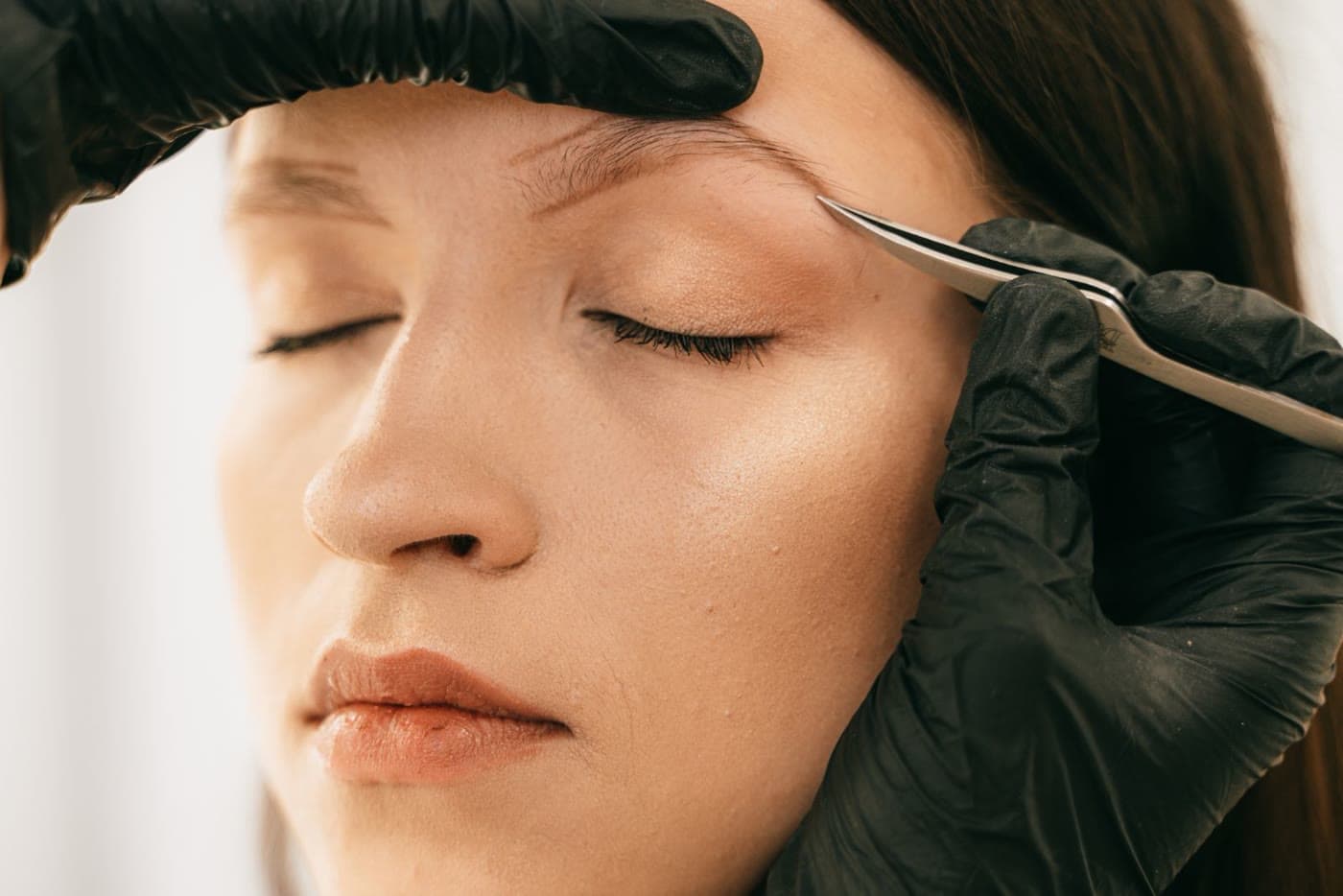
Most over-plucked eyebrows can be rehabilitated in three to six months of disciplined growing-out, and the single most important rule is to stop tweezing entirely and let a professional manage the shape during regrowth. Brow hairs cycle slowly — each hair you removed may take months to return — so the process rewards patience and strategy, not daily mirror inspections.
Key takeaways
- Brow hair grows in cycles; a full grow-out typically takes 3–6 months, sometimes longer after years of repeated plucking.
- The number one rule: put the tweezers away completely and let a professional remove only what's truly outside your final shape.
- Professional shaping every 3–4 weeks during a grow-out keeps you presentable without sacrificing the hairs you're trying to keep.
- Brow serums and gentle handling help; there is no product that regrows follicles that have permanently stopped producing hair.
- If some areas never fill in, treatments like brow lamination or permanent makeup can restore the look of fullness.
Why do over-plucked brows take so long to grow back?
Each brow hair follows a growth cycle with three phases: an active growing phase, a transition phase, and a resting phase before the hair sheds and the follicle starts again. Unlike scalp hair, a brow hair's active phase is short — which is why brows never grow inches long, and also why a plucked hair can take two to four months to reappear. When you pluck the same hairs repeatedly for years, some follicles enter longer resting states, and a fraction can stop producing hair altogether. That's the honest biology: most follicles bounce back with time, some are slower, and a few may be done permanently. You cannot tell which is which by looking, which is exactly why the grow-out needs months before anyone can judge the real result.
What should I actually do during the grow-out?
Stop removing hair — all of it, even the "obviously" stray ones. During regrowth, hairs emerge at different lengths and angles, and what looks stray in week three is often a structural part of your final shape. Brush your brows daily with a spoolie to train direction and distribute natural oils. Handle the area gently: hard scrubbing and aggressive exfoliation directly on the brows irritates follicles you're trying to encourage. A nightly brow serum or a plain nourishing oil can support hairs that are already growing; be realistic that no serum revives a truly dead follicle. Most importantly, book maintenance shaping — the counterintuitive step most people skip, covered next. Filling with pencil or powder during the awkward phase is completely fine and changes nothing about regrowth.
Should I really get professional shaping while growing brows out?
Yes — it's the difference between an awkward six months and a manageable one. A professional brow shaping appointment during a grow-out works differently from a regular cleanup: instead of enforcing today's shape, the artist maps your target shape and removes only hairs that fall outside it — usually a handful along the neckline of the brow — while protecting every hair inside the map, including ones that currently look messy. You leave groomed instead of unruly, without losing a single hair that matters. On a 3–4 week cycle, this keeps you presentable through the entire process. Doing it yourself at home fails for one simple reason: you can't map objectively in your own mirror, and one "just this one hair" session can erase a month of progress.
A realistic grow-out timeline
| Phase | What you'll see | What to do |
|---|---|---|
| Weeks 1–4 | Stubble and short regrowth in plucked zones; shape looks messy | Hands off; daily spoolie brushing; fill with pencil as needed |
| Months 2–3 | Real hairs reach visible length; patchiness reveals which areas are recovering | First mapped shaping appointment; consider a tint for depth |
| Months 3–5 | Majority of returning follicles active; final density becoming clear | Maintain 3–4 week shaping cadence; reassess the target shape |
| Month 6+ | What you see is close to what you have | Decide whether fullness treatments make sense for remaining gaps |
Timelines vary with age, genetics, and how long the over-plucking went on — a shape maintained thin for fifteen years recovers more slowly than last summer's overzealous tweezing.
What if some patches never grow back?
You still have excellent options, and this is where a full-service studio helps. If the hair you have is decent but sparse-looking, brow lamination restructures existing hairs to lie fuller and cover gaps — our guide to brow lamination basics explains who it suits best — and a tint adds visible depth to fine hairs. If specific zones are genuinely bare, permanent makeup fills them with soft, powdered pigment that reads as filled-in makeup rather than drawn-on lines, lasting one to three years. Many clients combine approaches: grow out what recovers, laminate for fullness, and add powder-brow pigment only where follicles retired for good. The sensible order is always grow first, then treat — pigment placed before the grow-out finishes may sit wrong once new hairs arrive.
Growing out your brows in Montebello: getting honest guidance
The hardest part of a grow-out is knowing whether you're on track, and that's a judgment call best made by someone who sees brows all day. At Anahit's Lash & Eyebrow Studio in Montebello, CA, grow-out clients get exactly that: a mapped target shape, minimal maintenance that protects regrowth, and an honest read at each visit about what's recovering and what isn't. Anahit works one-on-one from her private suite inside Sola Salons, and clients travel from East Los Angeles, Monterey Park, and Whittier for precisely this kind of long-game brow planning. Whoever you see in the Montebello area, the standard to insist on is the same: mapping before removal, a plan measured in months, and zero pressure toward treatments before your grow-out tells you what you're working with.
Frequently asked questions
How long until my over-plucked brows look normal?
Expect three to six months for the bulk of recovery, with the messiest stretch in the first two months. Brows plucked thin for many years can take longer, and some follicles may not return. By month six you'll have an honest picture of your natural density.
Do brow growth serums actually work?
They can support and slightly accelerate hairs from follicles that are still active, and they condition existing hair so it looks healthier. They cannot resurrect follicles that have permanently stopped producing. Think of serums as a helpful supporting actor, not the lead.
Can I at least pluck the obvious strays between appointments?
Resist it. Mid-grow-out, hairs surface at odd angles and lengths, and "obvious strays" frequently turn out to sit inside your final shape. Let your artist make those calls with the map in front of them — that's the entire value of professional maintenance during a grow-out.
Is waxing or tweezing better once my brows have recovered?
Both, used where each excels: waxing creates clean lines quickly, tweezing gives hair-by-hair precision for the details. A maintenance appointment every 3–4 weeks keeps a recovered brow crisp with either method — the skill of the person holding the tools matters far more than the tool.